

Humans in the Kruger National Park – Part 1

The biodiversity the Park offers is impressive and the innumerable animal and plant species that call Kruger their home have attracted nature lovers for over 100 years. But there’s another kind of history that shouldn’t be overlooked, and that is the fascinating history of the humans that have over time associated themselves with the area we now know as the Kruger National Park.
Trickery and deception in the Kruger National Park
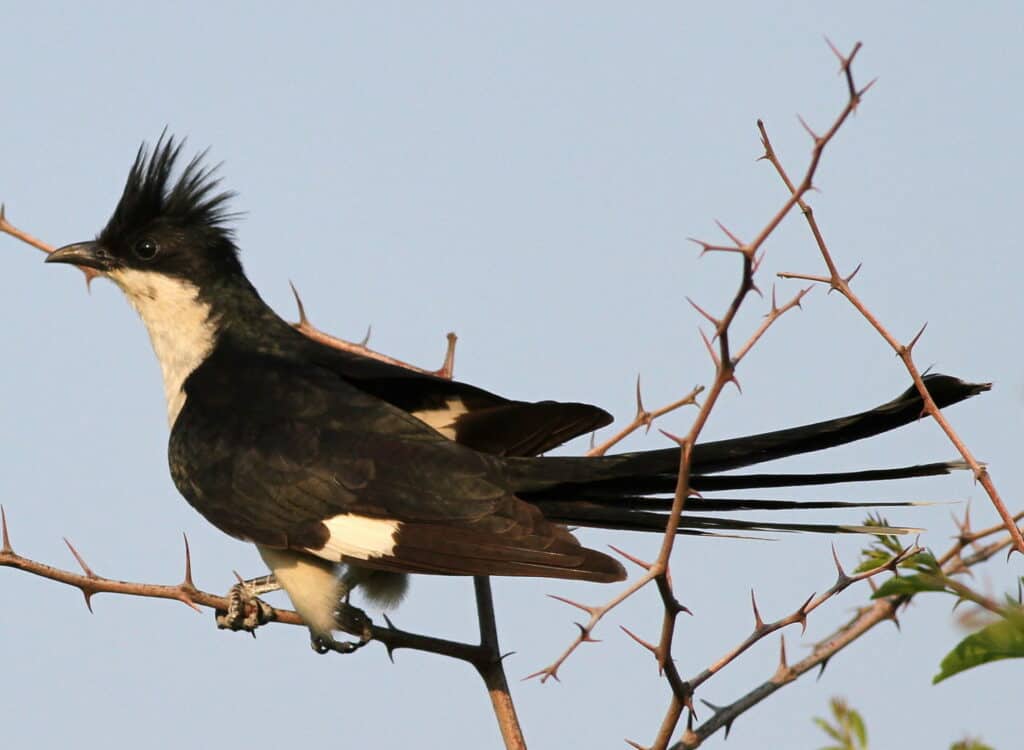
On the surface of things, the Kruger National Park is a peaceful and serene getaway. Granted, every now and then a scavenging hyaena will raid your dustbin or an errant elephant will block your path with an uprooted tree, but otherwise, superficially the Kruger is a simple, uncomplicated ecosystem, isn’t it? Actually, it’s not.
Impala – Dark horses of the Kruger

The leadwood is my favourite tree. If it were a human, he would be the wise old man; time-hardened, weathered and gnarled, but ineffably strong and hardy.
The Leadwood

The leadwood is my favourite tree. If it were a human, he would be the wise old man; time-hardened, weathered and gnarled, but ineffably strong and hardy.
Backpack Trails in the Kruger National Park

The Kruger Park offers Backpack Trails, taking guests that ultimate step closer to nature. Backpack Trail pack all they need for four days and three nights into a backpack and are allowed to wander the Kruger Park, led of course by a suitably qualified and experienced Field Guide.
Common insects of the Kruger National Park

Southern Africa is home to some 80 000 species of insects, many of them tiny and seemingly insignificant, but others large and conspicuous.
Insects: The little wonders of the world

Bugs, noo-noos, go-gos, creepy crawlies, call them what you like, insects form a group of “animals” many people love to hate, but on closer inspection and with a little open mind, their beauty and the wonders of their world is a fascinating subject.
Dave on Kruger: Migrating Birds Return

The onset of spring heralds the return of the region’s migratory birds. Rather than in droves, they slip in one by one, species by species.
Dave on Kruger – “The season’s change is upon us …”
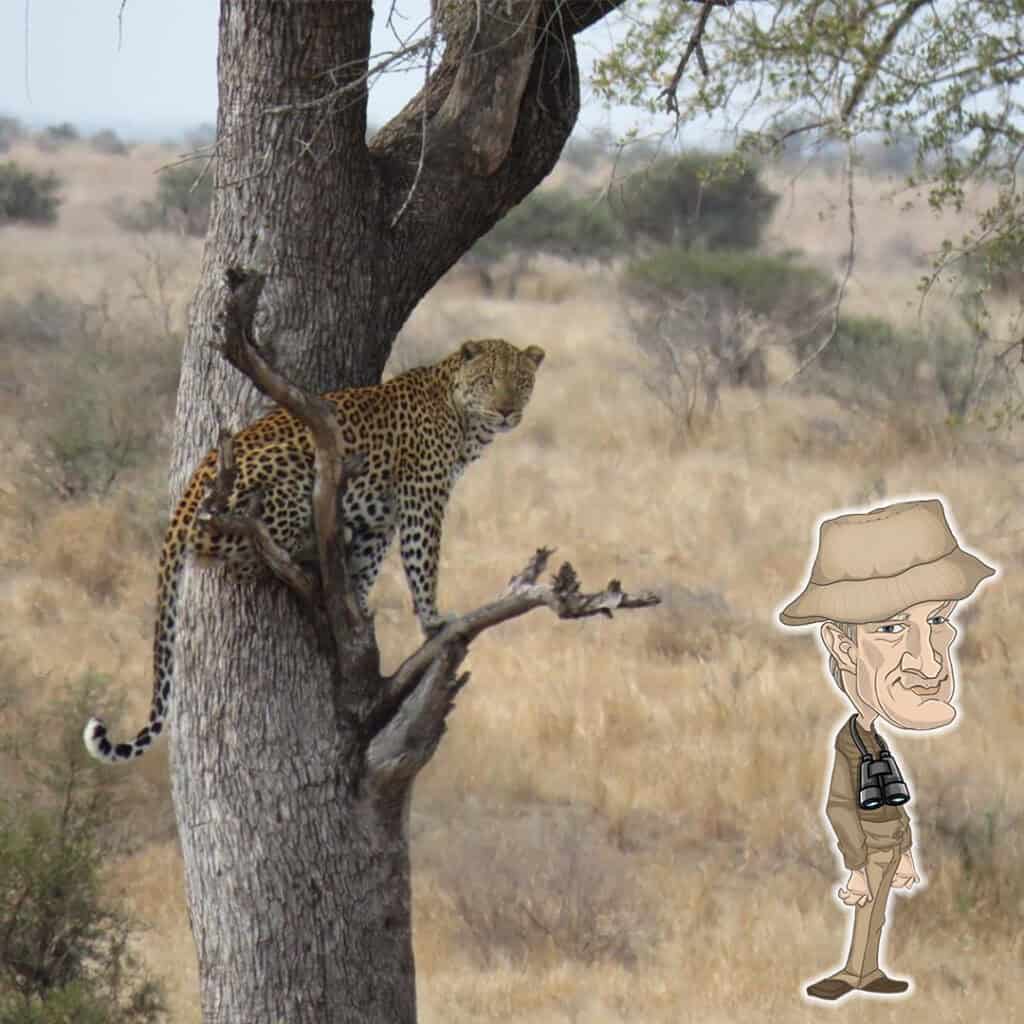
The season’s change is upon us. The knob thorn trees are the first to betray spring’s arrival and the first signs of their creamy yellow flowers in August mark the end of the dry season.

