

Back in blog
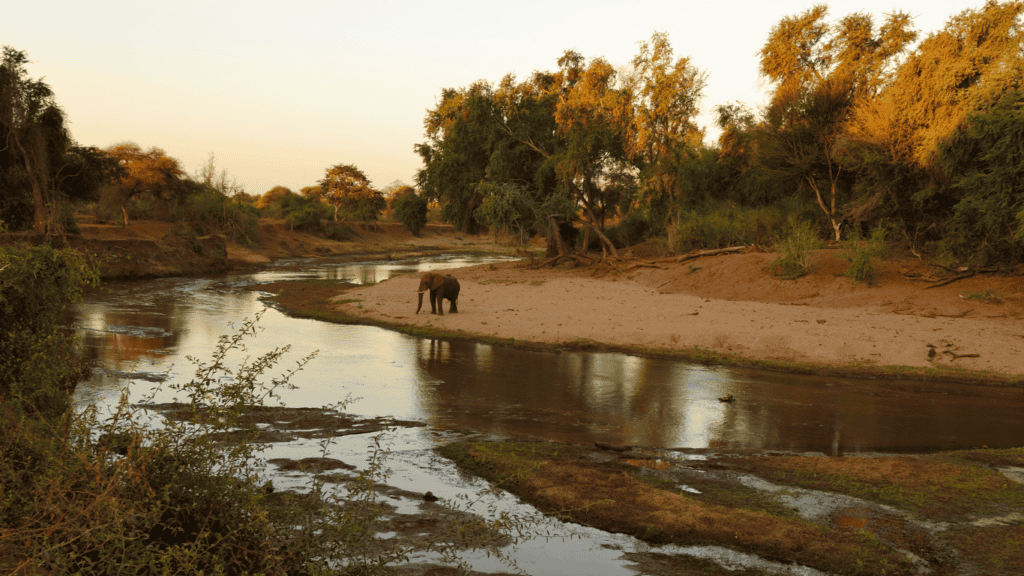
After a bit of a hiatus, the Dave on Kruger blog has made a return and finds itself in a hot and dry October in the mopaniveld around Phalaborwa where the bush is still showing off the gorgeous autumnal colours of brown, tan, orange and red, although the onset of spring is subtly revealed in the new growth of delicate yellow florets of the sjambok pod and the soft purple hanging flowers of the gentle tree wisteria.
Reasons to choose a guided-game drive

One of the most popular, educational and adventure-filled Kruger activities is a guided-game drive. See and hear the animals up close and learn about the Kruger flora and fauna..
What’s in a name?

Have you ever considered how plants and animals get their names? I mean, whoever came up with the names for the hippopotamus, crocodile or elephant? It all sounds Greek to me!
Kruger Holidays

The end of the month of spring sees my family and me taking an eagerly awaited holiday to the Kruger National Park.
Medicinal plants in the Kruger National Park

I find the medicinal uses of bushveld plants quite fascinating and for years when guiding did I make use of this topic when interpreting the bush to my guests. There is so much to know about the vegetation that makes up your favourite bush getaway.
Bird rarities in the Kruger National Park
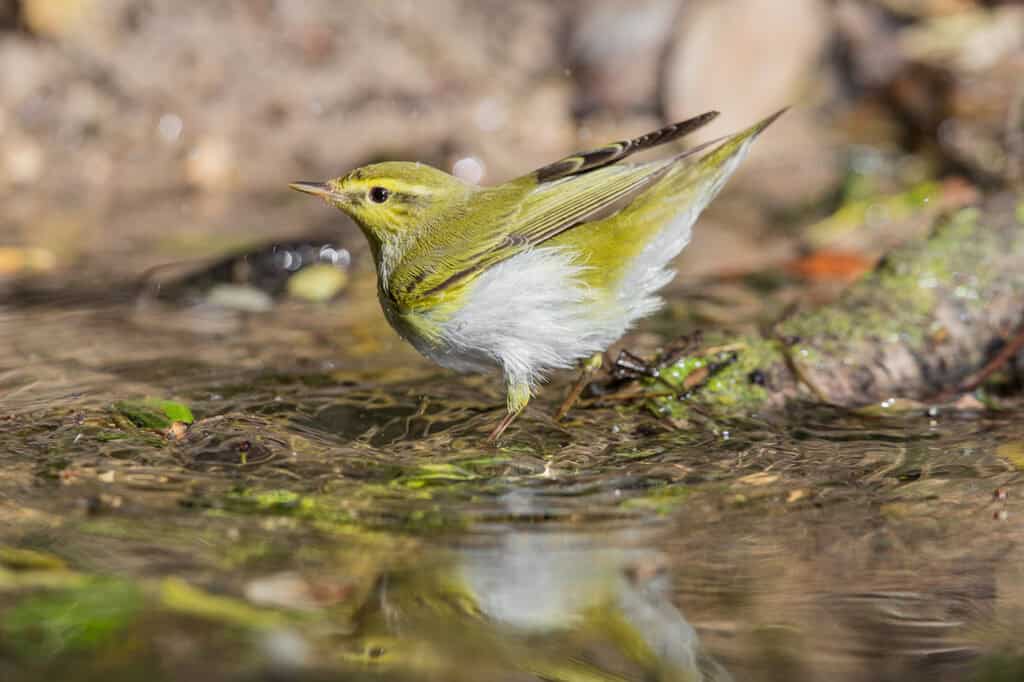
The Kruger has been a temporary home to a number of rare birds over the years. Our little mining town of Phalaborwa made avian headlines last week when a Wood Warbler showed up in the gardens of a lodge in town.
Hippos – no horsing around!

We’re on the cusp of the month of June and the welcome cool of winter is on our doorstep. The change in weather brings with it a reprieve from the summer highs and our little town of Phalaborwa, perched happily on the watershed of the Letaba and Olifants Rivers, can look forward to a period of calm, cool evenings and warm sunny days.
Summertime serenades

Summer in the Lowveld is in full swing. These conditions are optimal for insect activity and visitors to the Kruger Park over the summer will have seen many of our six-legged friends.
Summer insect activity

Summer began with the emergence of the emperor moth; a large pink, ochre and orange moth with a large eye-spot on either hind wing, fluttering clumsily around light sources to exhaustion.
Humans in the Kruger National Park – Part 3

In 1902 Major James Stevenson-Hamilton was appointed the first head ranger of the reserve and wasted no time in recruiting a competent individual to assist in the necessary conservation work. This lead him to employ Harry Wolhuter as ranger who filled the position for the next 44 years!
